
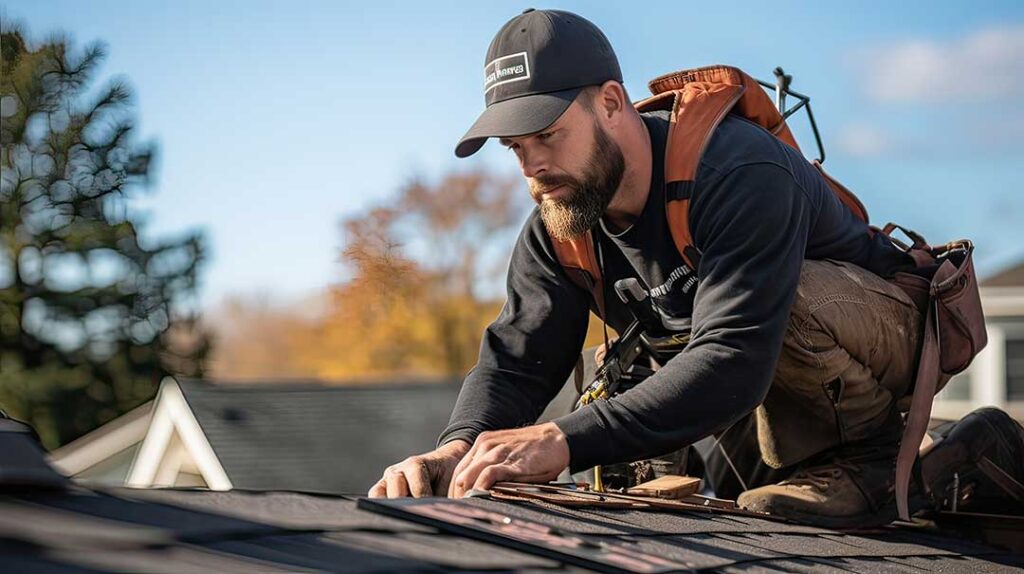
How Long Should a Roof Last in Broadalbin, NY?
Roofs in Broadalbin often last between 15 and 40 years, depending on material, local climate, and how well they’ve been cared for. Asphalt shingles, commonly used on local homes, usually last around 20 to 25 years. Metal, slate, and newer synthetic options can stretch beyond 40 years in ideal conditions. However, Broadalbin’s variable climate—ranging from heavy winter snow to humid summers—can shorten the lifespan, especially if small repairs are neglected.
Routine maintenance, such as cleaning and replacing damaged shingles, can help extend the life of a roof. But even well-maintained roofs in the city will eventually need replacing, and waiting too long can lead to much more expensive repairs.
What Are Obvious Signs a Roof Needs Replacement?
If a roof is leaking in multiple places or sagging, replacement is usually necessary. Frequent leaks, damp spots on ceilings after rain, or visible daylight through attic boards are clear signals. In Broadalbin, heavy snow and ice dams can quickly worsen these issues by forcing water under shingles and flashing.
A sagging roof deck is another warning. This can indicate long-term water damage or structural failure—problems that rarely improve with patch repairs. Missing shingles after a windstorm or hail impact points, especially if more extensive than a few isolated patches, are also cause for concern.
Crews removing old roofs in local neighborhoods often discover:
- Large areas of curling or split shingles
- Multiple layers of past patchwork
- Rotting around chimneys or skylights
In these cases, reroofing is a safer investment than continued repairs.
Are There Less Obvious Signs You Might Overlook?
Some roof damage develops gradually and is harder to spot. Shingle granules in gutters, subtle blistering, or dark streaks (often algae) on the surface can signal problems below.
Other issues that can be missed:
- Uneven shingle color—suggesting moisture or material breakdown
- Persistent moss or lichen growth, which holds moisture and can rot underlayments
- Rusted or loose flashing around vents and chimneys
- Peeling paint or bubbling plaster indoors near the roofline
A roof past its average lifespan combined with recurring minor repairs often means replacement should be considered, even if the roof appears mostly intact on the surface.
How Does Broadalbin’s Climate Affect Roof Longevity?
Local weather patterns have a major impact on roof performance. The freeze-thaw cycles of late fall and spring, along with heavy snowfall, can exacerbate even small vulnerabilities in a roof. Snow buildup, especially when it lingers, weighs heavily and can drive moisture beneath shingles.
Ice dams—ridges of ice that form at roof edges—are a common seasonal hazard in Broadalbin. They force water upward under shingles, causing hidden leaks and insulation damage. Older roofs, or those with poor ventilation, are at highest risk.
Moist springs and humid summers encourage moss and algae, sometimes leading to premature aging of shingles if growth is not kept in check.
What If You See Spots or Streaks on Your Ceiling?
Ceiling stains often result from water leaking through the roof. While small stains might be fixed with targeted repairs, repeated or spreading stains signals widespread roofing issues. In Broadalbin’s older homes, hidden leaks can also travel downward inside walls before becoming visible, which means the problem may be more severe than it appears.
Ceiling stains that recur after patch repairs, or which are accompanied by musty odors or visible mold, are usually a strong indication that roof replacement is safer than further repairs.
Does Age Alone Mean a Roof Should Be Replaced?
Age is a reliable, but not absolute, guide. Asphalt shingle roofs in Broadalbin generally perform well up to 20-25 years. If your roof is reaching this milestone—especially if it is showing any of the above signs—it may be wise to consider replacement sooner rather than later.
Even if a roof isn’t leaking, material aging (like brittle or curling shingles) reduces its ability to handle wind and storm events. Homes in Broadalbin subject to frequent storms or with poor attic ventilation tend to see shorter roof life, making periodic inspection worthwhile as the roof ages.
Are Small Repairs Still Worthwhile, or Just Delaying the Inevitable?
Small repairs (like a few missing shingles or minor flashing issues) can add years to a sound roof’s life if caught early. But if repairs are needed more frequently, or old problems keep recurring, patching can quickly become costlier than replacing the roof outright.
In Broadalbin, local households often attempt to keep older roofs going through quick fixes, but seasonal weather will often worsen underlying problems. Continually repairing an aged roof increases the risk of hidden water damage to wall framing, insulation, and even electrical systems.
Can You Safely Inspect Your Roof Yourself?
Some signs of trouble are visible from the ground—for example, looking for missing shingles, crooked rooflines, or clusters of granules by your downspouts.
Attic inspections on a clear day can help check for daylight leaks, damp insulation, or mold. However, climbing onto a roof can be dangerous, especially during frosty or stormy seasons. If a roof is steep, slippery, or showing signs of structural weakness, personal inspection should be avoided for safety reasons.
For residents of Broadalbin tackling spring and fall maintenance, binoculars can allow a basic inspection from the yard without risking injury.
Are Replacements Required by Local Codes or Insurance?
In Broadalbin, dense snowfall and storm damage can occasionally trigger updates to local building ordinances or insurance requirements. Some homeowner insurance policies will not cover claims for roofs past a certain age, or for properties with existing damage at the time of a claim.
Insurance adjusters may require roof replacement if a claim is filed for interior water damage or if the roof is found to be in poor condition during an assessment. Local regulations may also set minimum standards for roof ventilation, especially important for reducing ice dams in the city’s climate.
Checking records for the last replacement, noting the roof’s current age, and staying aware of insurance terms specific to Broadalbin can help households avoid surprises if a claim is ever needed.
