
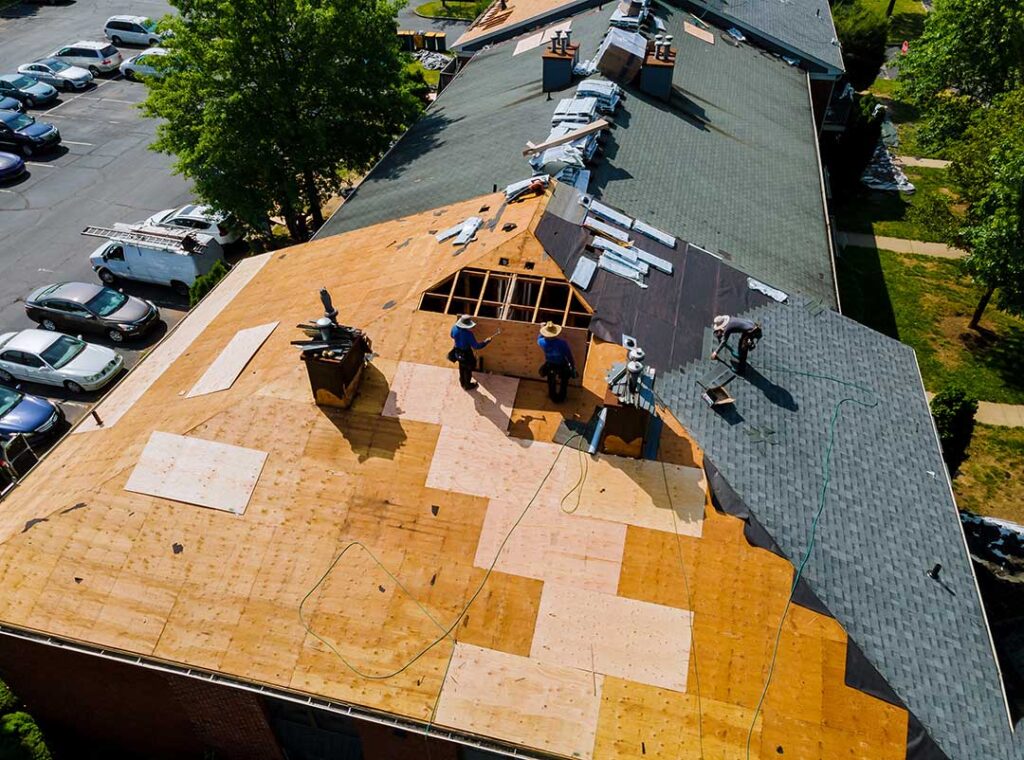
What Does Roof Ventilation Do for Broadalbin Homes?
Proper ventilation in a roof allows air to circulate through the attic or upper stories of a home. This helps manage temperature and moisture levels, safeguarding the structure while making indoor spaces more comfortable year-round. In Broadalbin, changing seasons bring high humidity in summer and freezing cold winters, making balanced airflow particularly useful for local properties.
Roofs with well-planned ventilation systems reduce the risk of problems that can crop up when moisture or heat collects in attic spaces. This means fewer surprises after snow melts or during muggy summer spells.
How Can Inadequate Ventilation Affect Roof Lifespans?
Insufficient airflow can shorten the life of roofing materials. For homes in Broadalbin, unvented or poorly vented attics may create several problems:
- In the winter, trapped warm air can melt the underside of snow on the roof, causing water to trickle down and refreeze at the eaves—this leads to ice dams that can damage shingles and gutters.
- In the summer, excessive attic heat can "bake" the roof deck and shingles from below, causing them to age prematurely and become brittle.
- Without pathways for air movement, built-up moisture lingers, encouraging mold, mildew, and rot in wood framing or roof sheathing.
Aging roofs in the city often reveal clues of poor ventilation, including warped boards, shingle curling, musty odors, or visible mold and mildew.
Why Does Moisture Buildup Matter So Much?
Controlling humidity and condensation inside a home is especially important in Broadalbin’s variable climate. Moisture enters attics from daily living—cooking, bathing, and even breathing release water vapor, which can drift upwards.
If this vapor becomes trapped, it may condense on cooler surfaces like the underside of a roof. Over time, this can:
- Weaken structural supports and roof decking
- Increase the risk of mold, which can impact air quality
- Create damp insulation, reducing home energy efficiency
Local residents often overlook that even in cold months, household moisture can build up in attics, compounding issues hidden until wet patches, stains, or peeling paint are noticed.
How Does Proper Ventilation Help with Ice Dams?
A well-ventilated roof keeps attic temperatures close to the outdoor temperature. This reduces the likelihood of melting snow refreezing into ice dams at roof edges—a common challenge for Broadalbin homeowners after snowstorms.
Ice dams form when warmth from inside the home causes uneven melting. Water backs up behind frozen ridges, seeping under shingles and potentially entering the house. Ventilation keeps attic spaces cooler, helping snow melt more uniformly and reducing the chance of damming.
What Are Signs of Poor Ventilation Residents Can Spot?
Understanding warning signals can make it easier for local residents to prevent extensive repairs. Some common indicators include:
- Excessive heat or stuffiness in upper floors during summer
- Ice dam formation or unusual icicle buildup in winter
- Evidence of rust on nails or metal fixtures under the roof
- Condensation on the underside of the roof deck
- Visible mold, mildew, or rot in the attic or along eaves
- Uneven or prematurely aging shingles
Noticing and addressing these symptoms early helps maintain a home’s structural integrity and may avoid larger, more disruptive issues.
What Kinds of Roof Vents Work Best in the Region?
Attic and roof designs vary within Broadalbin—older homes and newer builds may use different materials or layouts. Ventilation systems typically include a combination of intake and exhaust vents to ensure balanced airflow.
- Ridge vents: Installed at the peak of the roof, allowing humid air to escape naturally.
- Soffit vents: Located under the eaves, drawing cooler outside air upward.
- Gable vents: Useful for homes with vertical walls at the attic ends, promoting cross-flow.
- Powered attic fans: Can assist in particularly stuffy attics, but should be used thoughtfully to avoid creating negative pressure.
The most effective systems have both intake and exhaust, letting air move freely from low to high points. For Broadalbin’s climate, ensuring vents aren’t blocked by insulation, leaves, or snow cover is just as important as the initial design.
Are There Common Misconceptions About Roof Ventilation?
Several persistent myths can steer homeowners away from best practices:
- More vents always mean better: Over-ventilating can actually introduce new moisture or imbalance air pressure.
- Ventilation only matters in summer: Both winter and summer seasons introduce different ventilation needs. Winter is when ice dams and condensation are most threatening.
- Attics should feel warm in winter: A cold attic is actually a sign of proper ventilation and insulation — the living spaces below should be warm, not the attic itself.
Clarity on these topics helps local residents make informed decisions rather than relying on rules of thumb that may not suit Broadalbin’s climate.
How Can Homeowners Maintain Roof Ventilation?
Routine attention can prolong the effectiveness of any ventilation setup:
- Inspect attic and roof vents regularly for obstructions like insulation, leaves, or nests.
- After major winter storms, check for signs of snow or ice blockage at soffits or ridge vents.
- Periodically look in the attic for dampness, discoloration, or odors.
- Ensure insulation is not covering intake vents, which can block airflow.
Staying aware of these details can extend the life of a roof and reduce chances of expensive repairs, especially as Broadalbin’s seasons cycle between wet, cold, and humid periods.
