
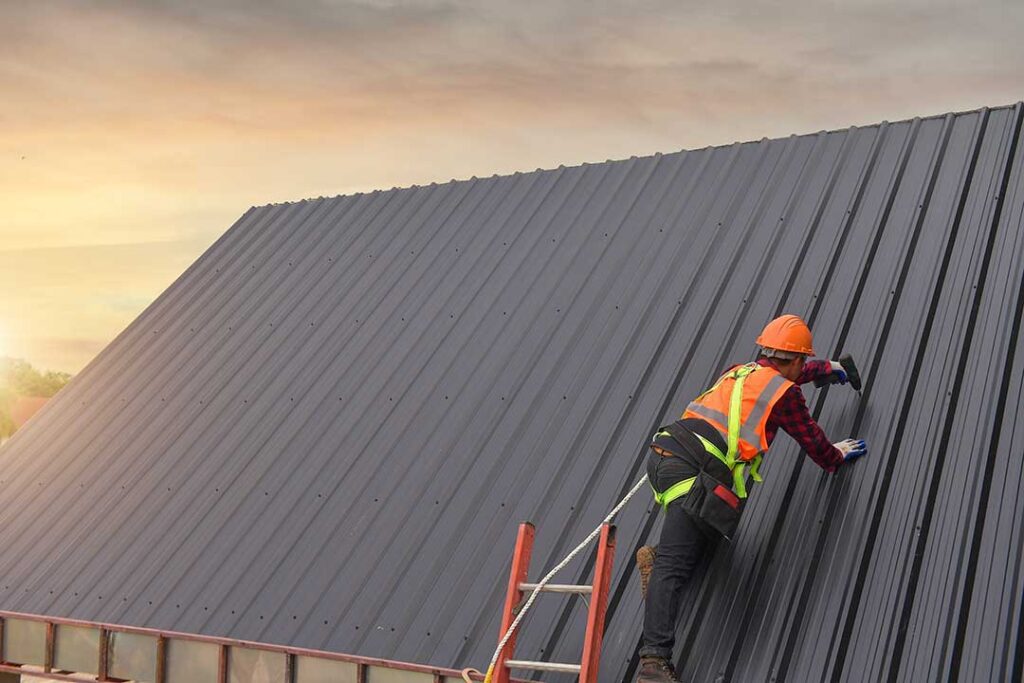
A roof does more than keep rain and snow out. Its color, materials, ventilation, insulation, and condition all influence how much energy a home uses throughout the year. In Broadalbin, seasonal temperature swings make the roof part of a larger system that helps control indoor comfort, moisture, and heating and cooling costs.
How does a roof affect energy efficiency?
A roof affects energy efficiency by controlling heat movement between the outdoors and the living space below. In summer, the roof can absorb solar heat and transfer it into the attic. In winter, heat from the home can escape through poorly insulated ceilings, air leaks, or inadequate attic ventilation.
The roof covering itself matters, but it is only one part of the system. Energy performance also depends on:
- Attic insulation levels
- Air sealing around ceiling penetrations
- Roof color and solar exposure
- Ventilation design
- Moisture control
- The condition of shingles, flashing, and underlayment
- The design and age of the home
A newer roof does not automatically make a house energy efficient. If attic insulation is thin or air is leaking around light fixtures, plumbing openings, or attic access panels, much of the potential benefit may be lost.
Why is attic insulation so important?
For many homes, the largest energy-related roof issue is not the roofing material but insufficient attic insulation. During winter, warm indoor air naturally rises. Without enough insulation, heat passes through the ceiling and into the attic, increasing demand on the heating system.
In summer, the process reverses. Heat that builds up in the attic can move downward into the rooms below, especially through a poorly insulated ceiling.
Signs that attic insulation may be underperforming include:
- Uneven room temperatures between floors
- Ice buildup along roof edges during cold weather
- High heating use despite moderate thermostat settings
- Rooms beneath the roof becoming unusually warm in summer
- Snow melting in patches on the roof
- Drafts around attic hatches, recessed lights, or plumbing penetrations
Insulation works best when it is installed evenly and remains dry. Compressed, displaced, or damp insulation provides less protection. Older homes may also have insulation that has settled over time or was installed without adequate air sealing below it.
Does roof ventilation save energy?
Roof ventilation can help manage attic temperature and moisture, but it is not a substitute for insulation or air sealing. A properly designed system allows air to move through the attic so that heat and moisture do not remain trapped.
Typical ventilation components may include intake openings near the lower roof edge and exhaust openings near the upper portion of the roof. The goal is balanced airflow rather than simply adding as many vents as possible.
Ventilation is especially relevant in a region with cold winters and humid summers. During winter, warm indoor air that reaches the attic can condense on cold roof components. Over time, this may contribute to damp insulation, mold growth, wood deterioration, or fastener corrosion.
More ventilation is not always better. If exhaust openings are added without adequate intake airflow, or if bathroom and kitchen exhaust fans discharge into the attic, the system may still perform poorly. Household exhaust fans should generally vent outdoors rather than into attic spaces.
Can a roof reduce summer heat gain?
A roof can reduce summer heat gain, but the result depends on the entire attic assembly. A light-colored or reflective roof surface may absorb less solar energy than a dark surface, particularly on a low-slope or poorly shaded roof. Even so, roof color is only one factor.
Summer performance also depends on:
- Attic insulation
- Air movement through the attic
- Tree shade and roof orientation
- Ductwork located in the attic
- The tightness of the ceiling plane
- The condition of the roof deck
If heating and cooling ducts run through a hot attic, energy losses may be significant even when the living space has adequate insulation. Sealing and insulating those ducts can improve comfort and reduce the amount of conditioned air lost before it reaches the rooms.
Roof coatings and reflective materials are sometimes discussed as universal solutions. Their usefulness depends on roof type, slope, existing materials, moisture conditions, and installation requirements. A coating should not be used to conceal leaks or postpone necessary repairs.
How do roof leaks affect energy efficiency?
A leak can affect energy efficiency even when the visible damage appears minor. Wet insulation loses insulating value, and moisture can travel away from the original entry point before becoming visible indoors.
Water intrusion may also affect:
- Roof sheathing
- Rafters and trusses
- Ceiling materials
- Electrical components
- Attic insulation
- Air-sealing materials
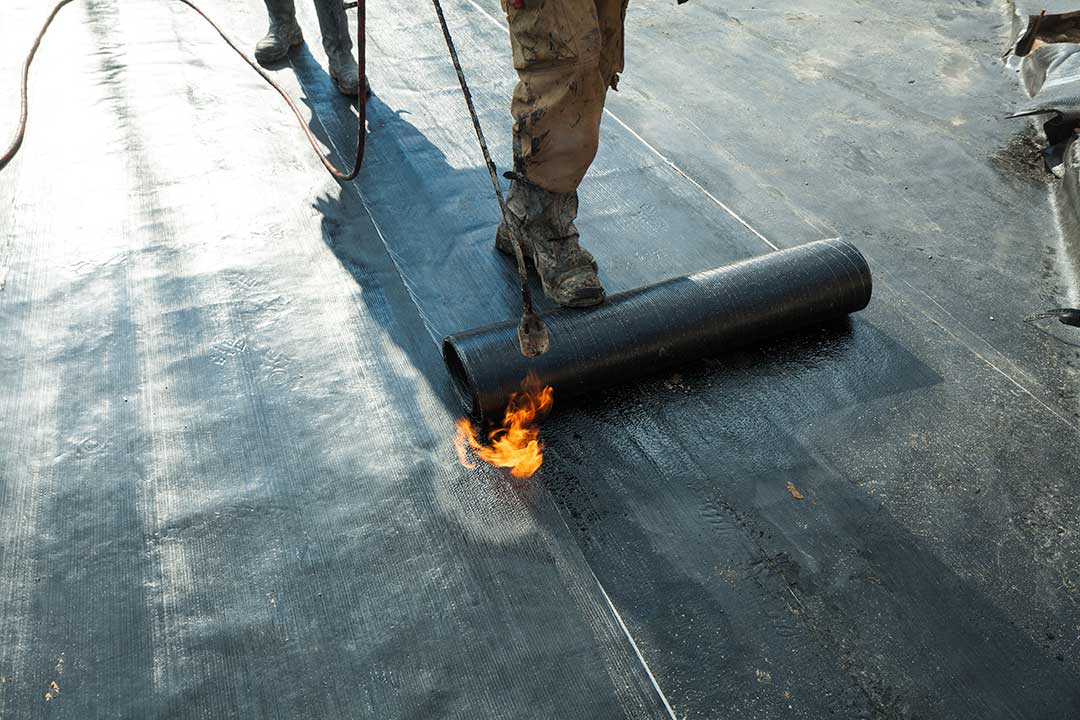
A roof that appears intact from the ground may still have problems around chimneys, plumbing vents, wall intersections, skylights, valleys, or areas where snow and ice repeatedly accumulate. In cold weather, small openings can allow heated air to escape and contribute to uneven snow melting or ice formation along the roof edge.
Energy efficiency should therefore be considered alongside moisture control. A roof assembly that is well insulated but allows water intrusion is not performing properly.
What should Broadalbin homeowners check before replacing a roof?
Before choosing new roofing materials, it is useful to evaluate the attic and ceiling system. Replacing shingles without addressing underlying energy problems may leave indoor comfort largely unchanged.
A practical inspection should consider:
- Whether attic insulation is continuous and dry
- Whether the attic floor has visible air gaps
- Whether soffit or intake openings are blocked
- Whether exhaust vents terminate outdoors
- Whether the roof deck shows staining or sagging
- Whether attic ducts are sealed and insulated
- Whether the attic access panel fits tightly
- Whether bathroom moisture is reaching the attic
Cold-weather conditions make roof-edge details especially important. Ice dams can form when heat escapes through the upper part of the home and warms the underside of the roof, causing snow to melt and refreeze near colder eaves. Better insulation and air sealing can reduce the heat reaching the roof surface, although roof geometry, snow conditions, and drainage also influence the risk.
Are metal roofs, asphalt shingles, or other materials more energy efficient?
No single roofing material is automatically the most energy efficient for every home. Performance depends on the material’s reflectivity, color, durability, ventilation requirements, installation quality, and the insulation beneath it.
A light-colored roof may reduce solar heat absorption during summer. A durable material may retain its intended performance for a longer period. Asphalt shingles, metal, membrane roofing, and other systems each have different installation details and maintenance needs.
The most useful comparison is usually not the roof covering alone. A properly installed roof over a well-sealed, well-insulated attic will generally perform better than a highly reflective roof installed over a poorly insulated or damp attic.
Homeowners should also consider whether a material is appropriate for the roof’s slope, structural capacity, drainage pattern, and exposure to wind and snow. Energy performance is only one part of a sound roofing decision.
Which roof improvements usually provide the greatest benefit?
The most effective improvements often address heat loss and air leakage in the attic rather than focusing only on the visible roof surface.
Common priorities include:
1. Repairing active leaks and correcting moisture problems.
2. Sealing major air leaks between the home and attic.
3. Improving attic insulation where coverage is inadequate.
4. Keeping ventilation pathways clear and balanced.
5. Sealing and insulating attic ductwork.
6. Checking attic access panels for a tight fit.
7. Evaluating roof color or material during planned replacement.
Safety matters during attic and roof inspections. Damaged framing, unstable roof surfaces, electrical hazards, and hidden moisture can create risks. Work involving structural repairs, electrical components, or difficult roof access may require qualified assistance.
For local households, the most practical approach is to treat the roof, attic, ceiling, and ventilation as one connected system. That perspective helps prevent a common mistake: investing in a new exterior roof while leaving the main sources of heat loss, moisture, or air leakage untouched.
