
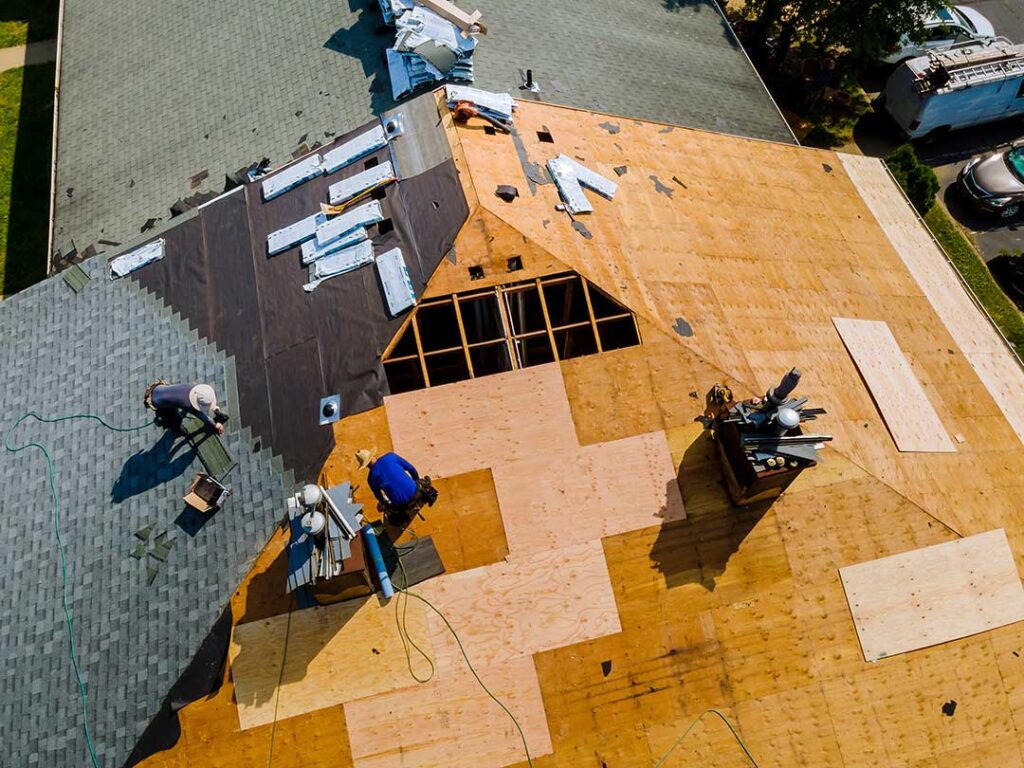
A professional roof inspection is a structured examination of the roof system, attic, drainage components, and visible signs of moisture or damage. For homeowners in Broadalbin, NY, an inspection can be especially useful after heavy snow, ice, wind, temperature changes, or repeated freeze-thaw cycles.
The purpose is not simply to decide whether shingles need replacement. A careful inspection helps explain the roof’s current condition, identify developing problems, and separate routine maintenance from urgent repairs.
What happens before the inspection begins?
The inspector usually starts by asking about the home’s history and any concerns noticed by the occupants. Useful information may include the roof’s approximate age, previous repairs, past leaks, ice buildup, missing shingles, attic odors, or stains on ceilings and walls.
The inspector may also ask whether a storm, fallen branch, or recent weather event preceded the concern. This background helps direct attention to areas that may not be obvious from the ground.
The exterior review generally begins at ground level. From there, the inspector looks at the roof’s overall shape, rooflines, valleys, chimneys, plumbing vents, skylights, gutters, downspouts, and nearby trees. Binoculars may be used before anyone climbs onto the roof.
Will the inspector walk on the roof?
Often, but not always. Roof access depends on safety, pitch, surface condition, weather, height, and the type of roofing material.
A roof may not be walked if it is covered with snow, wet leaves, ice, frost, heavy moss, or loose material. Steep roofs and fragile surfaces also require additional caution. In those cases, the inspection may rely on ground-level observations, ladders, attic access, binoculars, or specialized equipment.
A limited visual inspection does not automatically mean the inspection was inadequate. A responsible inspector avoids creating a fall hazard or damaging a roof merely to obtain a closer view. Any access limitations should be explained in the inspection report.
What does the exterior roof inspection include?
The visible roofing surface is examined for signs of wear, movement, impact, and installation problems. Common observations include:
- Missing, cracked, curled, blistered, or loose shingles
- Exposed fasteners or nails
- Damaged flashing around chimneys, walls, vents, and roof edges
- Open seams or deteriorated sealant
- Sagging areas or uneven roof planes
- Granules collecting in gutters or at downspout outlets
- Moss, algae, or debris that may retain moisture
- Damage from branches, animals, wind, or ice
- Poorly sealed penetrations for vents, cables, or other equipment
The inspector also evaluates how different roof sections connect. Valleys and transitions often receive concentrated water flow, making them common locations for leaks. Roof edges deserve attention as well because wind can lift shingles and winter ice can stress the lower edge.
A few damaged shingles do not necessarily mean the entire roof has failed. The significance depends on the location, extent, age of the roofing material, condition of the underlying layers, and whether water has entered the structure.
Why are flashing and drainage systems checked so carefully?
Flashing directs water away from openings and changes in the roof’s shape. It is commonly found around chimneys, skylights, sidewalls, roof valleys, and plumbing vents. A roof can appear generally sound while still leaking because flashing has separated, corroded, cracked, or been installed incorrectly.
Gutters and downspouts are part of the roof drainage system, so they are also reviewed. The inspector may look for:
- Gutters pulling away from the fascia
- Standing water or heavy sediment
- Downspouts that discharge too close to the foundation
- Water stains beneath the roof edge
- Ice-damaged sections
- Blocked drainage paths
- Missing or damaged drip edge
In a climate with snowy winters and repeated freezing and thawing, drainage problems can become more noticeable during spring runoff. Water that cannot leave the roof efficiently may contribute to leaks, fascia damage, foundation moisture, or ice-related deterioration.
What happens in the attic?
Attic access can reveal conditions that are not visible from outside. The inspector may examine the underside of the roof decking, rafters, trusses, insulation, ventilation openings, and areas around penetrations.
Signs of concern may include:
- Dark stains or water marks on roof sheathing
- Damp insulation
- Mold-like growth caused by persistent moisture
- Condensation or frost damage
- Rot or softened wood
- Daylight visible through unintended gaps
- Damaged or blocked soffit and ridge ventilation
- Bathroom or kitchen exhaust directed into the attic instead of outdoors
An attic stain does not always identify the exact source of a leak. Water can travel along roof decking, rafters, or insulation before appearing inside the home. For that reason, the location of an interior stain may be several feet away from the exterior entry point.
Ventilation findings also need careful interpretation. Too little ventilation can contribute to heat and moisture buildup, but adding vents without considering insulation, air sealing, and the existing ventilation pattern may not solve the underlying problem.
Are ceilings, walls, and interior rooms inspected?
If the inspection includes the interior, the inspector may look at ceilings, upper walls, window areas, and rooms directly below roof penetrations. They may check for staining, peeling paint, bubbling drywall, damp materials, musty odors, or evidence of previous repairs.
Interior evidence is particularly useful when a leak is intermittent. Snow, wind direction, ice buildup, and heavy rain can affect when water enters. A dry ceiling on the inspection day does not rule out an active or recurring leak.
Homeowners can make the process more useful by identifying every location where water has appeared, even if the mark seems old or has been painted over.
What should the inspection report explain?
A useful report should describe observed conditions in understandable terms and distinguish between immediate concerns, maintenance items, and conditions that need monitoring. Photographs are often included to show damaged materials, flashing details, attic staining, or drainage issues.
The report may address:
- The estimated remaining serviceability of the roof system
- Areas with active or suspected leakage
- Damage that may worsen if left unattended
- Whether attic ventilation appears adequate
- The condition of flashing, gutters, and roof edges
- Visible signs of storm or impact damage
- Limitations caused by snow, ice, weather, steepness, or blocked access
Roof age is only one factor. A roof that is older but well maintained may perform better than a newer roof with poor ventilation, damaged flashing, or recurring drainage problems. Conversely, a roof can look acceptable from the ground while concealed moisture damage is developing below the surface.
What should homeowners ask after the inspection?
Ask for clear explanations rather than relying only on labels such as “good” or “bad.” Helpful questions include:
- Which findings require attention first?
- Is there evidence of current water entry?
- Which areas were inaccessible, and how did that affect the inspection?
- Are the concerns related to the roof covering, flashing, ventilation, drainage, or structure?
- What signs should be monitored after the next heavy rain or snowfall?
- Is the observed damage isolated or spread across several roof sections?
- Are interior stains dry, active, or undetermined?
A roof inspection is an assessment, not a guarantee that future leaks will never occur. Conditions can change after severe weather, fallen branches, ice movement, or additional aging. Still, a detailed inspection gives homeowners a clearer record of the roof system and helps them make decisions based on observed evidence rather than guesswork.
When is an inspection most useful?
An inspection is commonly useful after severe weather, before buying or selling a home, when interior staining appears, or when a roof is approaching the later part of its expected service life. It can also help investigate recurring ice buildup, unexplained attic moisture, or gutters that repeatedly overflow.
For local households, timing may matter. A roof viewed in late summer may look different after a winter of snow and freeze-thaw movement. Likewise, spring is often a useful time to look for loose materials, damaged flashing, clogged drainage paths, and moisture that became apparent during snowmelt.
Safety should take priority if the roof is icy, steep, visibly sagging, or affected by fallen trees or electrical hazards. In those conditions, observations from the ground are safer until the site can be evaluated without unnecessary risk.
